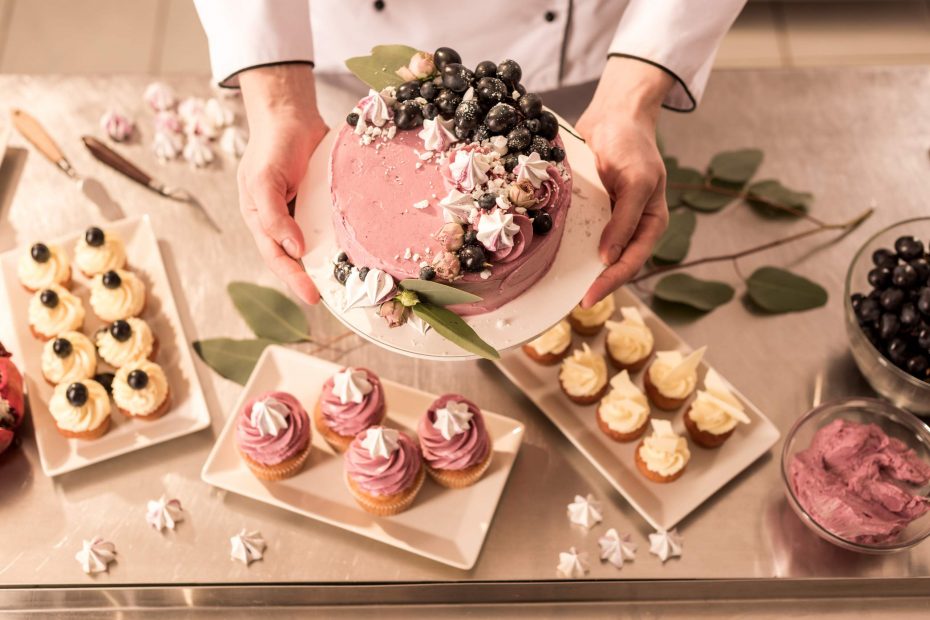
When it comes to decorating a cake, knowing how to use a piping tip is essential. Whether you are creating a border, flower, star, ruffle, lettering, or anything else, all you need is frosting and the correct tip. With the right piping tip, you can turn any amount of frosting into different designs.
If you’re new to cake decorating, you may not know what each tip does, which can make choosing the right one for your needs difficult. By learning what each tip is best suited for, it will become much easier to pick the correct one for your specific design.
What Is A Piping Tip?
A piping tip is a small attachment that you place at the end of your piping bag, and the shape of the opening will determine the way the frosting comes out of the bag.
A wide or narrow opening will give you different patterns when you pipe. Some tips will pipe a straight line, some will pipe a ridge, and some will pipe petals or stars. There are many different shapes that can be created by piping tips.
You don’t need many tips to get started, and a few will give you plenty of options. Here are a few common ones:
Round Tips For Straight Lines And Accents
These tips have a circular opening and come in different sizes. They are very versatile and can be used for writing, dots, outlining, borders, accents, and simple designs. Large round tips can be used for making thicker lines or filling in larger spaces. If you are new to cake decorating, a medium-sized round tip is a good place to start.
Star Tips For Stars, Shells, Swirls, Borders And More
This type of tip has a ridged opening and will pipe a thick or thin line depending on the size of the tip. Star tips can be used for stars, shells, swirls, borders, rosettes, and many other things. You can vary the look by changing the size and shape of the tip you use.
The biggest advantage to this tip is that you can quickly pipe something that looks detailed and intricate.
Petal Tips For Buttercream Flowers And Ruffles
This type of tip has a narrow, curved opening, and it is mostly used to pipe buttercream flowers. It can also be used to pipe ruffles, waves, bows, and more. This tip takes a bit more practice to get a good grip on compared to the regular round and star tips, but it gives you many more options. The angle and pressure you apply to the piping bag can change the way the petal looks.
Leaf Tips For Buttercream Flowers And Bows
As the name implies, this type of tip is used to pipe leaves. It’s most commonly used when making buttercream flowers, and can be used with different shades of green to create contrast. This is a great tip to add a bit of structure to a flower design. It doesn’t take much to make simple flowers look like much more intricate designs. Just adding a few leaves and some small accents around them can make all the difference!
Choosing the Right Piping Tip for Your Cake
Before you start to select a piping tip, consider the design you want to achieve.
Some examples include:
- Small round tips for writing or fine detail work.
- Star tips for borders and textured swirls.
- Petal tips for flowers and ruffles.
- Leaf tips for leaves and floral accents.
- Tips with larger openings for bigger decorative elements that require more frosting to come out.
Deciding on the right piping tip for the job is far simpler than trying to memorize each tip number!
Make Sure Your Frosting Is Ready
No matter which piping tip you use, you can’t get great results if your frosting isn’t ready. Soft frosting won’t hold its shape, while stiff frosting will be difficult to pipe and give you a rough-looking finish. Always test your frosting before you start piping onto the actual cake, using a piece of parchment paper or something similar as a guide. That way, you can adjust the frosting to the right consistency before it’s too late.
Learn How to Use Your Hands
Using the right piping tip is just part of the equation. You also need to know how to apply the right amount of pressure. In general, more pressure equals more frosting, and less pressure creates a thinner line and finer details. The speed at which you move the piping bag also determines the appearance of the finished product.
Practicing on simple shapes, such as lines, dots, stars, shells, and swirls, will help you master your pressure before you begin attempting more complex designs.
Be Consistent With Your Movements
Consistency is key when piping on your cake. Try to use the same pressure and movement for each piped element. When piping borders, keep the bag at a steady angle and move at a steady pace. Don’t worry if one part doesn’t look quite like another; with time and practice, your movements will become more natural and fluid.
Wrapping It Up
Piping tips are incredibly useful tools, but you don’t need dozens of them to decorate a beautiful cake. Start with a handful of multi-purpose tips and learn what they’re capable of. Master the art of applying consistent pressure and you’ll soon find yourself combining different tips and techniques to create progressively intricate designs. The secret to decorating beautifully isn’t having all the piping tips in the world, it is knowing how to use the ones you do have!